

Track longitudinal changes in body composition, shape and anthropometrics through simple smartphone scans, from baseline through treatment and beyond.
Request a Demo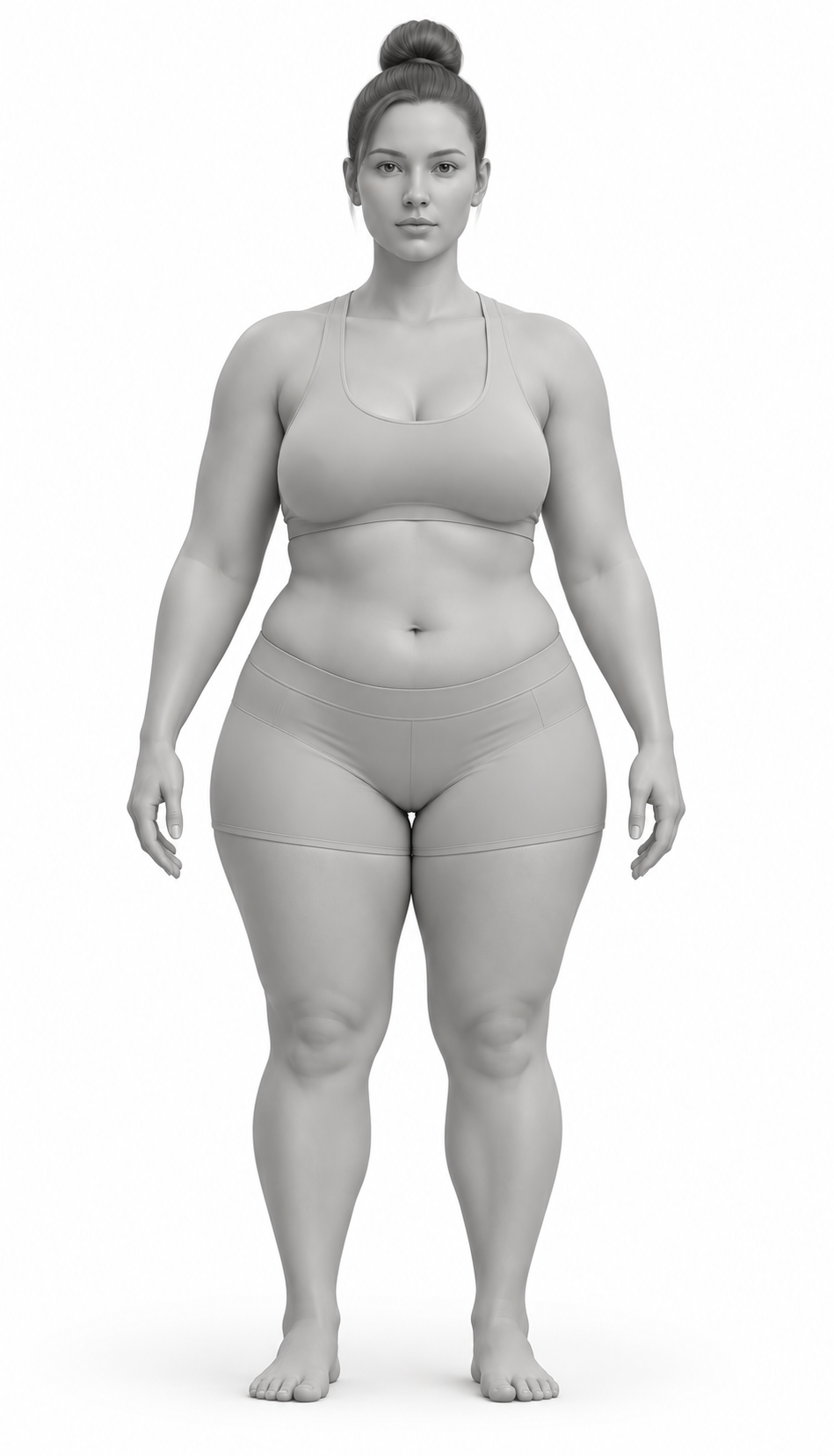
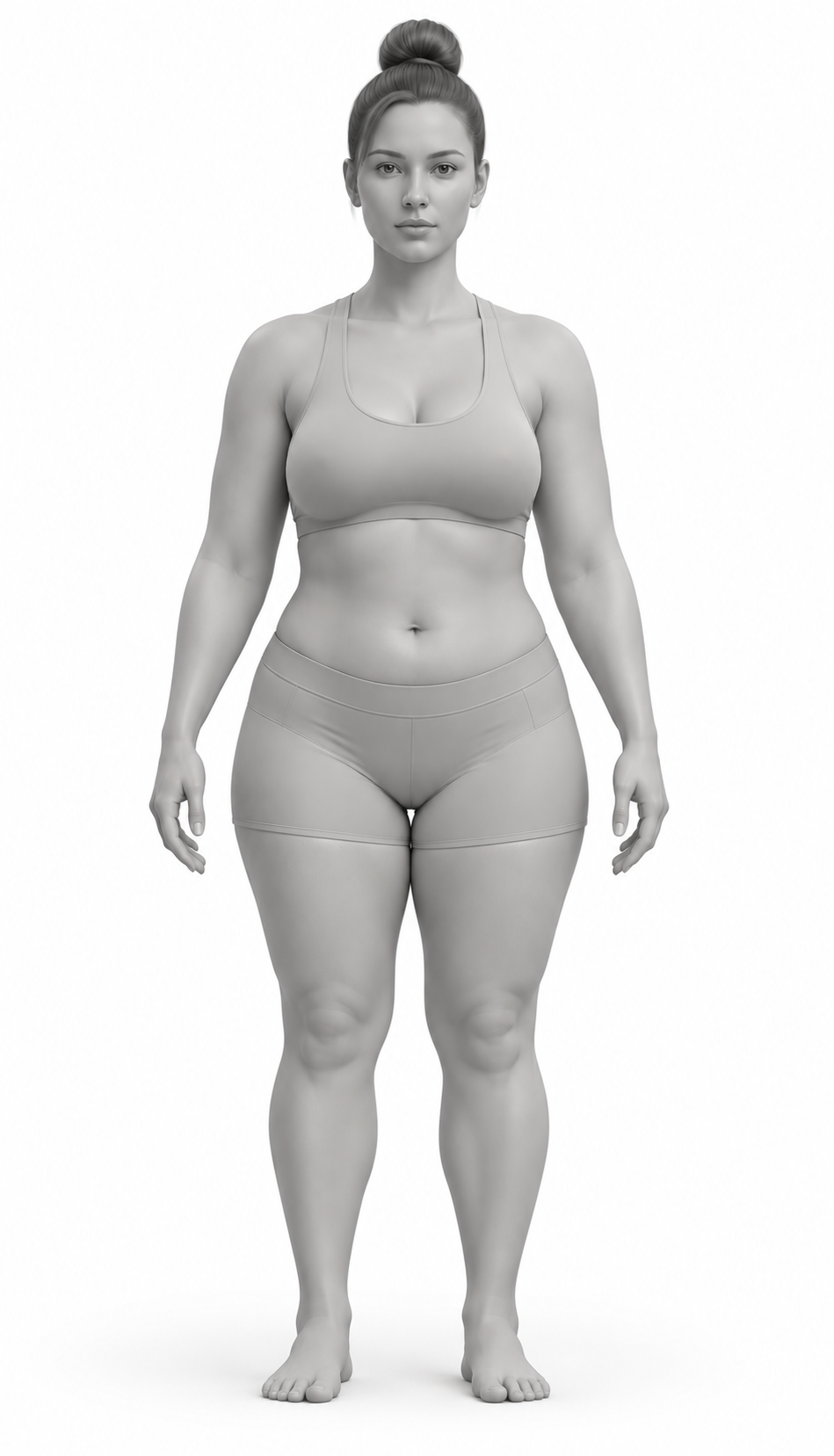
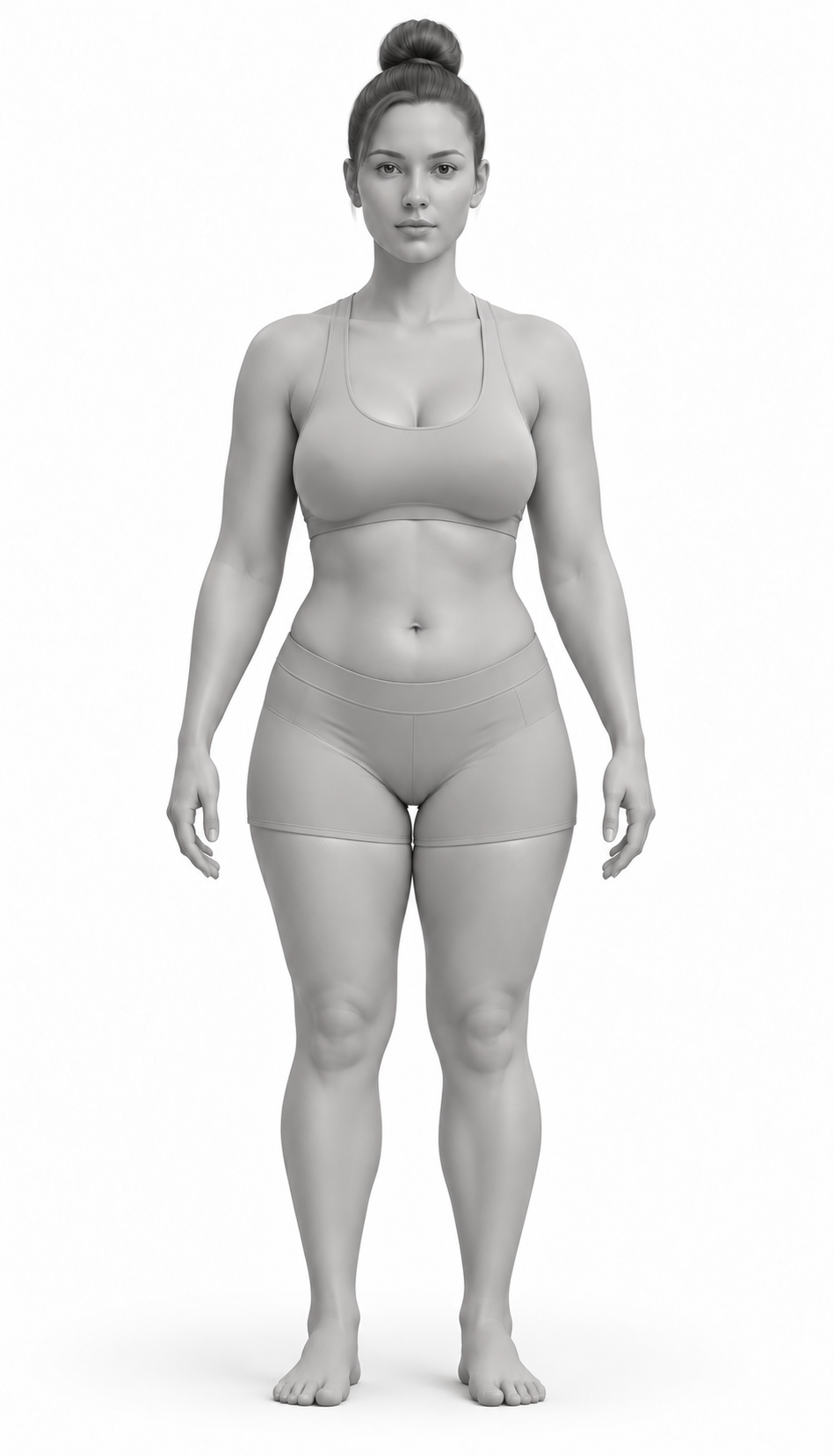
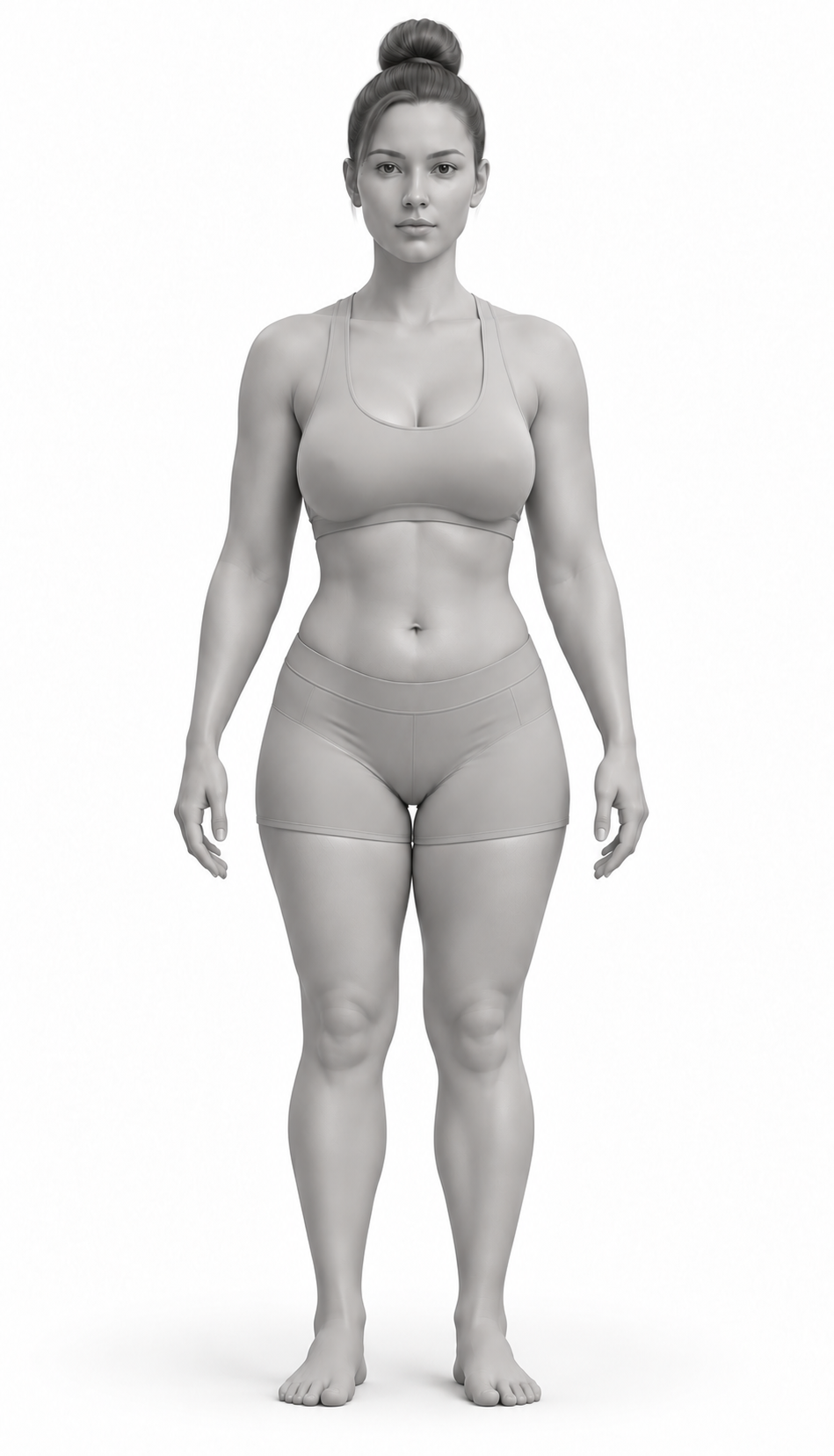
Whether you're a healthcare provider or an individual taking charge of your health, QuadraScan delivers objective, longitudinal body insights that help you understand progress, inform decisions, and achieve better outcomes.


AI body intelligence: 4 photos. 10 seconds. DXA-trained results.
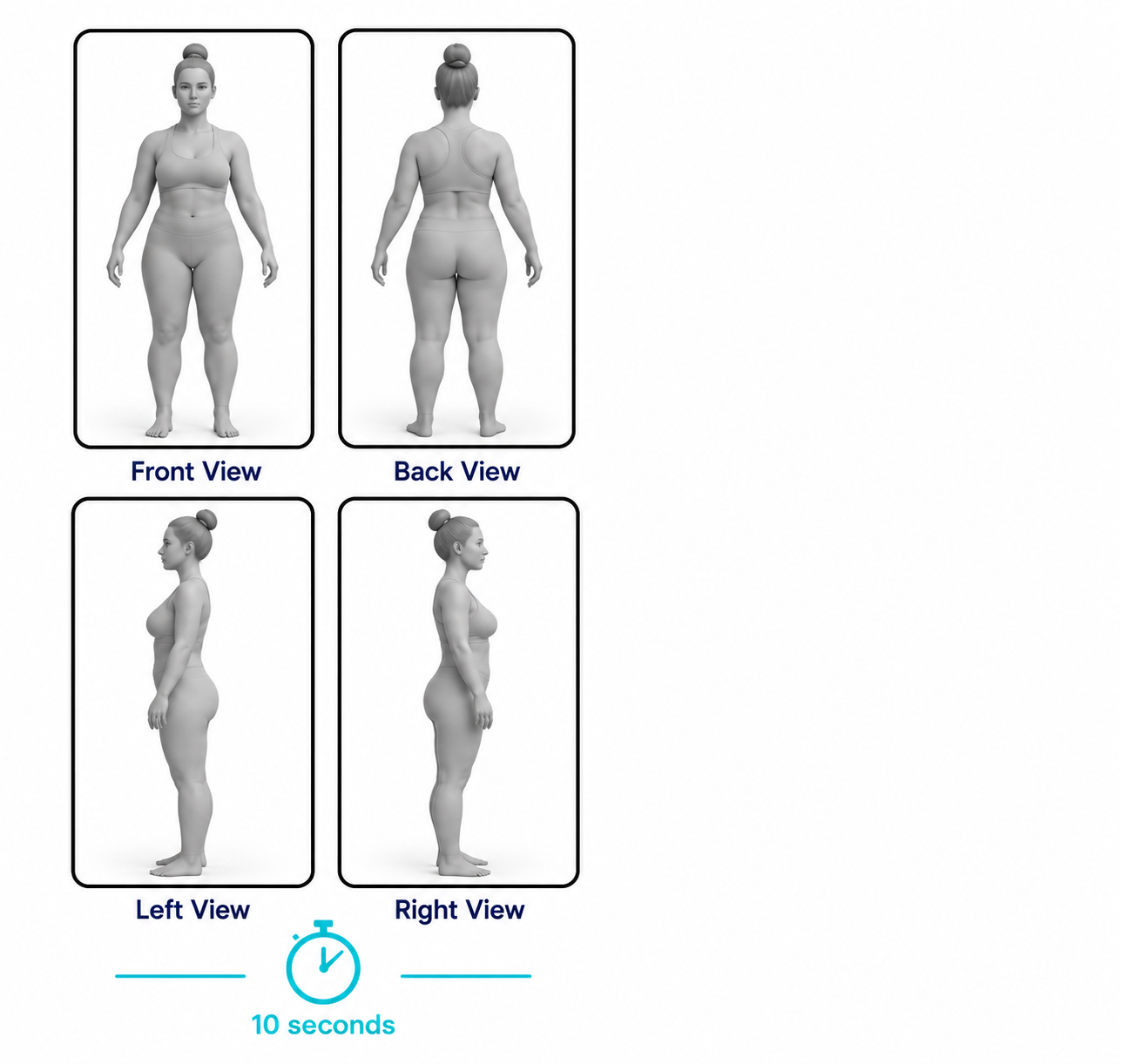
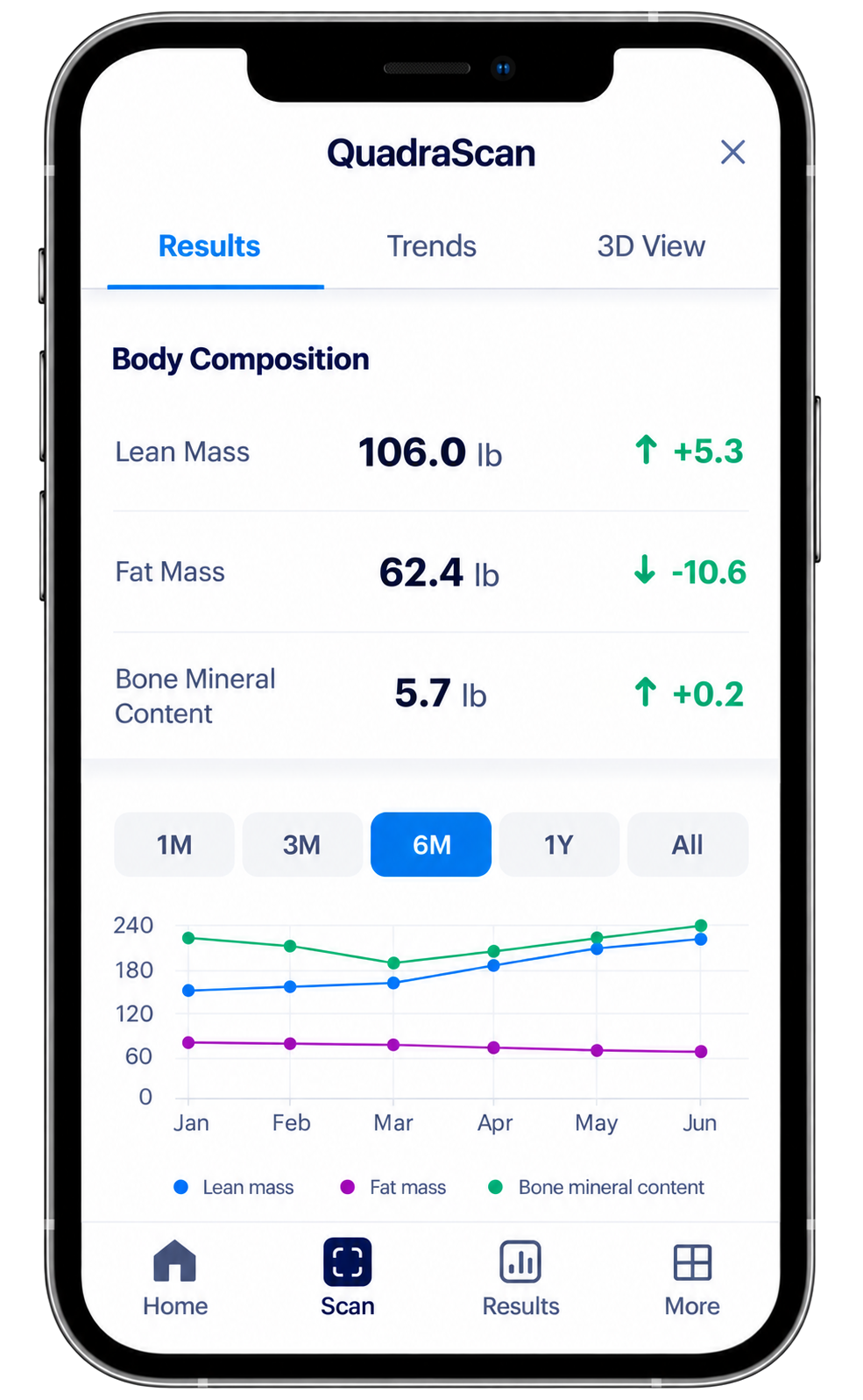
QuadraScan turns longitudinal body composition and anthropometric data into actionable insights across key therapeutic areas, supporting personalized care, monitoring and risk assessment.
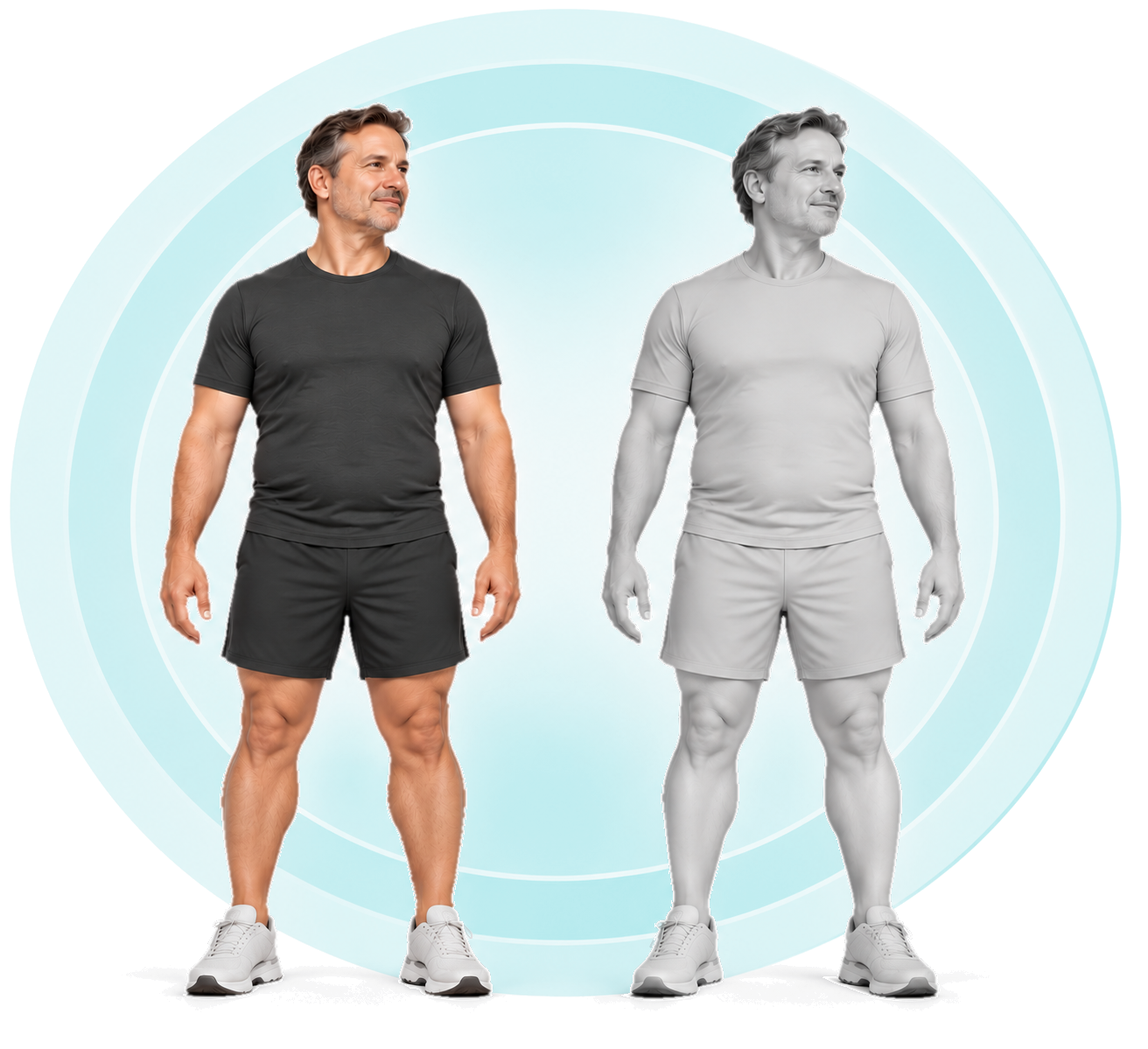
Track meaningful changes in body composition and measurements throughout the patient journey.
Fat mass, lean mass and body measurements provide context for metabolic health and treatment response.
Body composition and longitudinal change can add context to risk, mobility and overall health status.
Monitor lean mass and physical change to support muscle preservation, recovery and treatment tolerance.
Follow changes in fat mass, lean mass and body measurements across diverse care pathways.
made effortless to access, understand, and act on.
scanning
Smartphone-based assessment with clear, guided instructions and real-time feedback.
actionable insights
Easy-to-understand body composition metrics and personalized trends.
tracking
Effortlessly repeat scans to monitor changes over time.
experience
Securely deliver results to the appropriate consumer, care team, or partner platform.
and trust
Transparent consent, secure data handling, and clear communication about data use.
the clinical gold standard.
QuadraScan turns four smartphone photos into a detailed body profile in about 10 seconds, with no lab, no appointment and no special equipment.
Body dimensions, including lengths, widths and circumferences, plus key health proportions like waist-to-height ratio.
Body composition: lean mass, fat mass and bone mineral content. These come from proprietary AI models trained on clinical DXA scans.
In testing against a few thousand DXA scans, QuadraScan showed strong agreement for lean mass and fat mass. In head-to-head testing, its estimates landed within about 2 kg of DXA on average.

VIO Med Spa uses QuadraScan to track body composition changes in patients on GLP-1 programs, providing objective, visual data to support better care and stronger patient engagement.
Example patient report
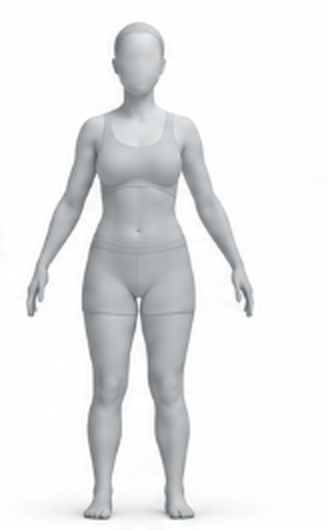
Since her baseline scan, Taylor M. (27, GLP-1 program) is down 10 lbs, and her waist, chest, and BMI are all trending in the favorable direction.
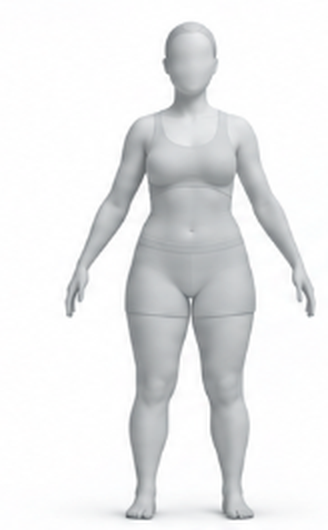
Aug 14, 2026
Sep 17, 2026
Body weight
160.0 lb
↓ 10 lb (5.9%)
from 170.0 lb
BMI
26.6
↓ 1.7 (5.9%)
from 28.3
Narrowest waist
32.8"
↓ 3.7" (10.1%)
from 36.5"
Chest
41.4"
↓ 0.5" (1.3%)
from 41.9"
Fat mass
60.6 lb
↓ 11.7 lb (16.2%)
from 72.3 lb
Lean mass
94.1 lb
↑ 1.6 lb (1.7%)
from 92.5 lb
Medical Director

Note: Dr. McCullough’s role is advisory in nature. He is not a treating physician for Fit:match customers or end users, and his advisory services do not constitute the practice of medicine on behalf of Fit:match or its users.
Cardiac Electrophysiologist | Clinical Advisor

Note: Dr. Lakkireddy’s role is advisory in nature. He is not a treating physician for Fit:match customers or end users, and his advisory services do not constitute the practice of medicine on behalf of Fit:match or its users.
Give your team or yourself a scalable way to understand how bodies change throughout treatment, recovery and long-term care.
Request a DemoQuadraScan and the Fit:match platform are body composition and anthropometric measurement tools. They are not FDA-cleared or FDA-approved medical devices and are not intended to diagnose, cure, treat, prevent, or screen for any disease or medical condition, including but not limited to sarcopenia, osteoporosis, or obesity.
Body composition outputs, including lean mass and bone mineral content estimates, are derived from AI-based image analysis and are not equivalent to measurements obtained by DEXA scanning, MRI, or other clinically validated diagnostic modalities. All data generated by QuadraScan is intended to provide informational body composition and anthropometric measurements to support, but not replace, the professional judgment of a qualified healthcare provider.
No physician-patient relationship is established by use of the Fit:match platform. Clinical decisions regarding diagnosis, treatment, surgical planning, or disease management should always be made by a qualified healthcare professional using appropriate clinical tools and methodologies. Healthcare providers are solely responsible for determining the appropriate use of QuadraScan data within their clinical practice and for ensuring compliance with applicable billing, coding, and regulatory requirements, including requirements for Remote Patient Monitoring programs.